Buses offer unique advantages over other forms of public transit, particularly when it comes to convenience and accessibility. Unlike subways or trains, buses are readily available in almost every community and eliminate the need to go underground or navigate complex transit systems. With their ability to traverse diverse routes and reach suburban and urban areas alike, buses provide a versatile platform for advertisers looking to connect with a wide-ranging audience.
For advertisers, this means a golden opportunity to leverage a mobile and highly visible platform. With a growing focus on reaching commuters and pedestrians in real-time, bus advertising continues to be an essential part of out-of-home (OOH) campaigns. Whether through eye-catching wraps, digital screens, or interactive ads, buses offer unmatched visibility and engagement.
Incorporating interactive elements such as QR codes or social media hashtags on bus ads has further enhanced the appeal of this medium, providing seamless integration between offline and online marketing strategies.
What Is Bus Advertising?
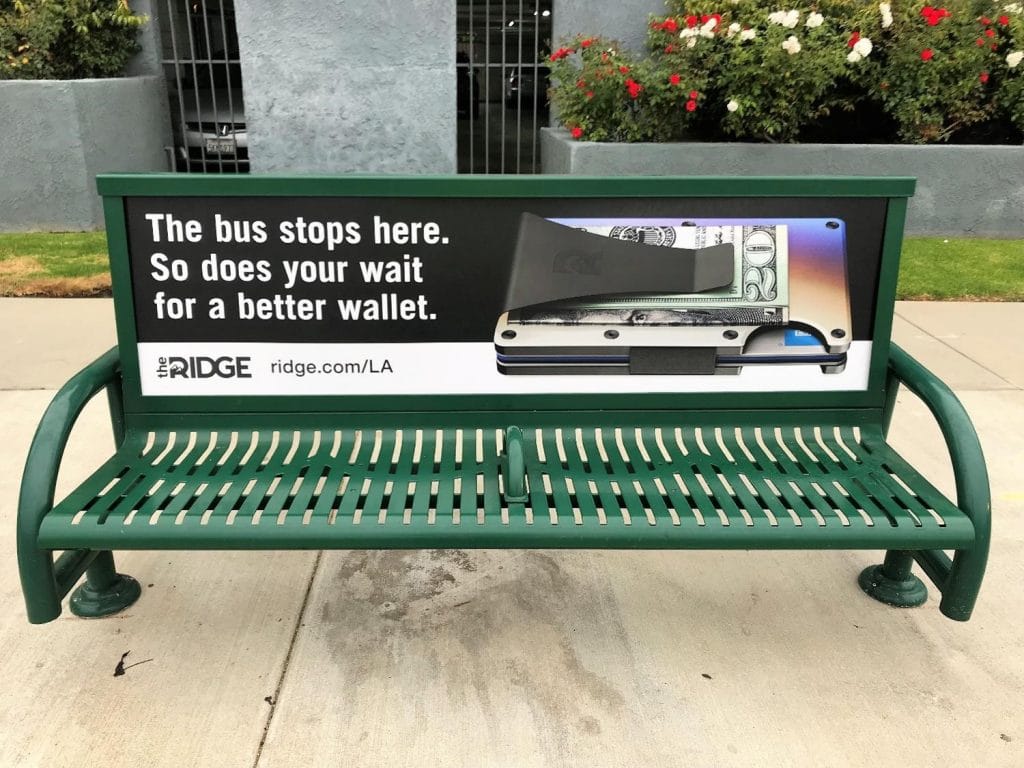
Bus advertising encompasses anything that appears on buses or the transit shelters or benches where passengers wait to catch the bus. It includes ads inside and outside the bus, such as
bus kings and wraps.
This advertising format offers flexibility and customization options for businesses, making it ideal for local, regional, and even national campaigns. For statistics on how public transit impacts advertising effectiveness, explore
Statista’s public transit insights.
What Types of Interior Bus Advertising Are Available?
Ads inside the bus generally are above the windows. These static placements provide consistent visibility to seated and standing passengers. Additionally, digital ads have become popular, with video screens available in many buses to convey advertising messages interspersed with entertainment or public service announcements.
Interactive options such as scannable QR codes have gained traction, allowing passengers to learn more about products or services directly from their mobile devices.
What Types of Exterior Bus Advertising Are Available?
You can put your ad almost anywhere outside the bus, including wrapping it entirely. Other common formats include:
- Bus kings: Vinyl ads on either side of the bus, usually 144″ x 30″.
- Bus queens: Similar height to kings but about 88″ long, placed on the curb side for optimal viewing by passengers in shelters.
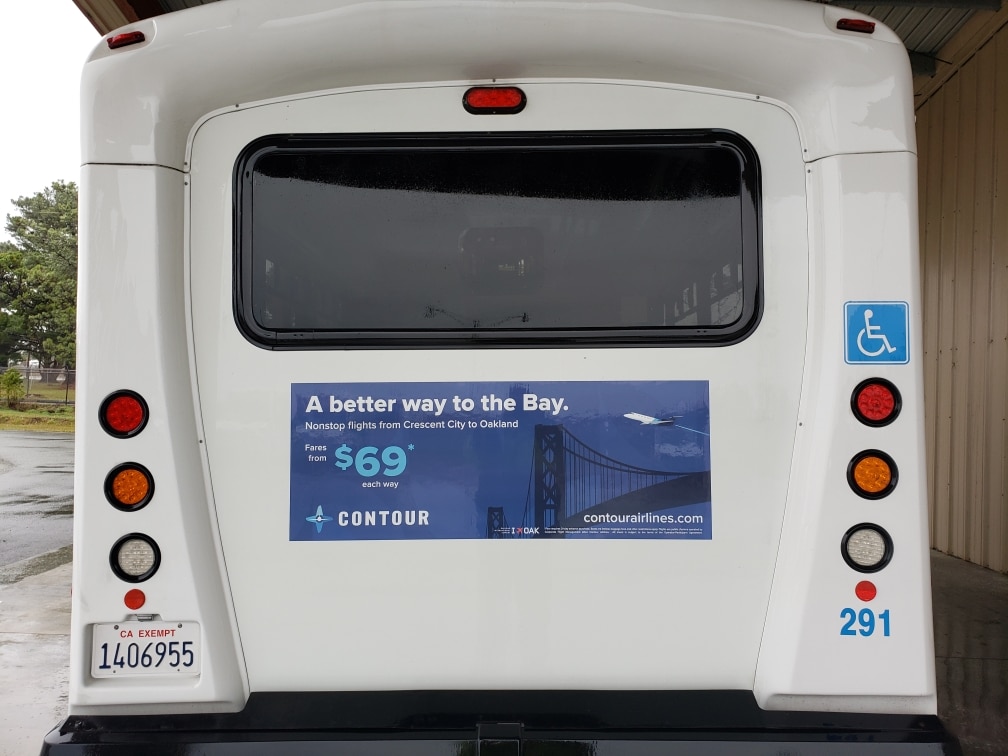
- Bus backs: Applied across the rear of the bus, visible to vehicles behind.
- Bus wraps: Cover the entire bus from bottom to top for maximum impact.
Smaller ads on buses are cost-effective and allow for multiple placements across a city. Strategic placement in high-traffic areas can boost brand recall, especially among commuters.
Additional Types of Bus Advertising
- Window Clings: Transparent or opaque decals on windows; cost-effective and easy to replace, though weather can reduce visibility.
- Digital Displays: Screens inside or outside buses; dynamic, attention-grabbing, and adaptable to time/location-specific messaging.
- Roof Top Ads: Ads on the bus roof, visible from high-rises or aerial views; unique but limited audience.
- Rearview Mirror Hangers: Small ads near the driver’s area; affordable and localized, but limited reach.
- Floor Graphics: Placed near entrances/exits; interactive but prone to wear and tear.
- Interactive/AR Ads: QR codes or AR features for high engagement; requires connectivity and tech-savvy users.
- Sidewalk Projection Ads: Projected onto sidewalks at night; innovative but limited to evening use.
- Interior Seat Back Ads: On seat backs for prolonged viewing; limited to bus passengers.
- Audio Ads: Played through bus sound systems; effective for captive audiences but can be intrusive.
- Specialty Ads for Electric/Hybrid Buses: Ideal for eco-friendly branding; limited to green fleets.