Wall Mural Advertising grabs every passerby’s attention. Advertising murals are a form of outdoor advertising that people can’t help but look at — and that’s the first step to running a successful campaign. When an ad looks more like a piece of artwork than a “buy me” sign, you know you have an impactful message.
This is why so many advertisers are drawn to wall mural advertising. It captures the essence of a brand in a creative, eye-catching way. These painted murals can be as effective as billboards — sometimes more so, thanks to their potential for going viral. We’ve put together this complete guide to answer all your questions about the medium.
What Are Mural Ads?
Mural advertising is any type of hand-painted advertising that appears on any surface. Mural ads have no standard size, location, or style. They can be painted on a building, a freestanding wall, or even a large rock on the side of a road. Mural ads are often referred to as painted billboards or painted signs.
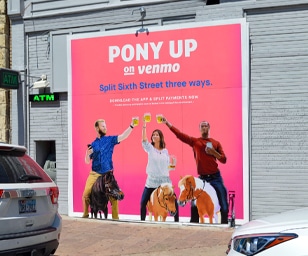
Where Can You Post Advertising Murals?
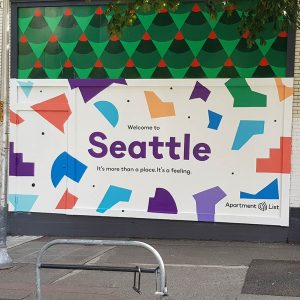
You can post advertising murals on any wall or surface. They’re generally placed in big cities to maximize audience exposure — though not always. Hand-painted walls can also appear in smaller venues, like the towns leading to Coachella, for event-specific campaigns.
Finding Space for Mural Advertising
The wall almost always belongs to a vendor or a business. Either may lease the space to advertisers. If a vendor owns it, the process is easier — though you’ll pay for that convenience. If a business owns the space, you’ll need landlord approval and may need to secure inventory permits.
Those who choose not to use a vendor can scout locations themselves, which may take days — and even then, there’s no guarantee the owner will want to lease the space. At least with a vendor, you know the wall is regularly used for advertising.
What Ad Categories Use Mural Advertising?
Hand-painted murals have been used by some of the biggest companies in the world — from Adidas and Netflix to Givenchy and Chanel. The format can be effective for virtually any industry.
How Much Does Mural Advertising Cost?
Below are typical mural advertising prices by market:
| Market | Average Mural Price |
| Los Angeles | $20,000 |
| New York | $25,000 |
| Miami | $15,000 |
| Seattle | $10,000 |
| Nashville | $5,000 |
Factors That Affect Mural Advertising Cost
- Location
- Size
- City
- Complexity of the design
- Length of the advertising run

A large wall mural can run up to $150,000. In Los Angeles, the most in-demand locations — like West Hollywood and Sunset Boulevard — can double the price of a placement in East LA. New York City pricing is generally higher across the board.
Is Mural Advertising Legal?
Mural advertising is similar to Wild Posting® in that there are many ways to do it right — and if you don’t know the regulations, you can run into legal problems. Working with an agency that understands local guidelines is the best way to avoid issues.
The most important step is securing the landlord’s approval in writing, with a clear agreement on mural sizing. You should also research local regulations. Los Angeles, for instance, makes a distinction between murals containing more than 3% text and those that don’t — even if the latter is a large logo rendering.
Who Paints the Murals for Advertising?
Street artists create the majority of mural paintings for vendors. Sometimes an advertiser wants a specific artist — perhaps someone they follow on Instagram with a unique style. The process typically starts with a base coat, followed by more detailed layers in subsequent phases.
How Long Does it Take to Paint a Mural?

Most murals take three to five days to complete, depending on complexity and size. Some projects can be finished within a week. Large wallscape murals are typically painted from the top down, with three painters working on suspended scaffolding simultaneously.
What Size Are Advertising Murals?
Mural sizes vary widely since every wall is different. Standard sizes range from 10×15 to 10×20 feet, but murals can reach 56 feet or higher. Some are as tall as 100 feet — it all depends on the wall. The bigger the space, the more you’ll pay. There is no industry standard for mural ad dimensions.
How Long Do Mural Ads Last?
Most murals are leased for a standard period of four weeks (28 days), similar to other outdoor media. However, many remain visible well beyond their initial lease term — sometimes three months or longer, depending on the agreement with the property owner. Some businesses keep murals indefinitely, repurposing them as permanent branding assets.
Because creating a mural requires significant effort and resources, they often stay up past their scheduled campaign dates. Typically a mural remains until a new advertiser leases the space. It’s uncommon for murals to be painted over prematurely — the cost of repainting generally outweighs the benefit of removing an existing one early.
For more, check out our Outdoor Advertising Guide.
Instagram and Mural Advertising: A Match Made for Clicks

Demand for mural advertising has grown significantly over the past few years — and much of that can be traced to Instagram. Murals receive second lives when someone photographs them and posts online. Clever, well-executed murals or those painted by well-known artists often go viral, reaching far more people than would ever see them in person.
For instance, Kendall Jenner drew 7.9 million views on Instagram when she announced her Adidas ambassadorship in front of one of the brand’s murals — giving it enormous organic exposure.
Mural Advertising Best Practices
Follow these tips to ensure your mural campaign is effective and impactful:
- Develop a solid concept at least two weeks before painting begins. Early preparation streamlines execution and keeps costs manageable.
- Treat mural advertising as an investment. Cutting corners often results in low-quality work that can damage your brand’s image.
- Mural companies are prevalent in New York and Los Angeles. Excellent work can also be found in Austin, Chicago, Portland, and Dallas.
- Choose locations with a strong appreciation for art culture to maximize audience reception.
- Ensure letter sizes are at least 8 inches high for readability. Disclaimer text should be a minimum of 3 inches tall.
- QR codes must be at least 20×20 inches to ensure scannability from a distance.
- Use photo-realistic or portrait elements for maximum visual impact at large scale.
- Apply the 3-second rule: if the message isn’t clear within three seconds, the copy is too long.
- Use bold, contrasting colors to stand out in busy urban environments.
- Avoid overly complex designs — multiple portraits, intricate blends, or hyper-realistic elements can overwhelm viewers.
- Opt for strong, graphic elements that resonate quickly and leave a lasting impression.
Mural Advertising Examples
Mural advertising has been embraced by brands in cities across the globe — New York, Nashville, Los Angeles, Seattle, Austin, and London among them. These murals blend creative artistry with strategic branding, demonstrating the unique power of hand-painted ads to captivate audiences and reinforce brand identity.
Whether it’s a vibrant mural in downtown Los Angeles or an eye-catching installation in Austin’s streets, each one showcases what this medium can do when executed well. Ready to get started? Contact DASH TWO to discuss your mural advertising campaign.