




Deciding whether to run your out-of-home (OOH) campaign on billboards, benches, transit, or Wild Posting® is actually only part of the equation. Once you decide on the format, you need to settle on the type of campaign you want to run: brand awareness or call to action (CTA). Both approaches are effective, but the best choice depends on your specific objectives and audience.
Your decision hinges on a variety of factors, including:
- Age of your company: Are you an established business looking to reinforce your brand, or are you a new player trying to build recognition? Brand awareness campaigns are often better for newer companies, while CTAs are ideal for businesses with an established customer base.
- Goals for your campaign: Do you want to make your brand top-of-mind, or are you focused on driving immediate action, such as website visits, store traffic, or event attendance?
- Location of the campaign: The placement of your OOH ad matters. High-traffic areas may work better for brand awareness, while more localized spots might support a specific CTA better.
When deciding, think about not just your immediate goals but also your long-term objectives. OOH campaigns offer flexibility, and sometimes a combination of both approaches works best — start with brand awareness to build recognition, then follow up with a CTA campaign to drive conversions.
Here’s how to decide what type of campaign is right for you. You can always contact us for help if you’re still unsure where your campaign should fall.
Brand Awareness Campaigns
Brand awareness campaigns aim to familiarize your audience with your company, product, or service. They focus on building recognition and trust, rather than prompting immediate action. These campaigns are particularly effective when:
- Your business is new, and you want to introduce your brand to the public.
- You’re entering a new market and need to establish your presence.
- You’re launching a product that requires time to educate your audience or build trust.
Brand awareness campaigns often feature memorable visuals, simple taglines, and consistent branding elements like logos and colors. They don’t typically include specific CTAs such as phone numbers or URLs — instead, they aim to leave a lasting impression that builds recognition over time.
Call to Action (CTA) Campaigns
CTA campaigns are designed to inspire immediate action. Whether you want people to visit a website, download an app, attend an event, or call a phone number, the goal is direct engagement. These campaigns work best when:
- You have a clear offer or promotion that requires an immediate response.
- Your target audience is already familiar with your brand.
- You want to measure ROI with trackable results, such as clicks or purchases.
CTA campaigns usually include actionable language like “Visit Now,” “Call Today,” or “Download the App.” They often feature scannable QR codes or easy-to-remember URLs to simplify the process for your audience. These campaigns are ideal for short-term goals that drive measurable engagement.
Finding the Right Balance
In many cases, the best OOH strategy involves blending brand awareness and CTAs. For example:
- A startup might launch with a brand awareness campaign to introduce their name, followed by a CTA campaign encouraging app downloads.
- A well-known brand could run a CTA campaign for a limited-time promotion while reinforcing brand recognition with consistent visuals and messaging.
This integrated approach allows you to build long-term relationships with your audience while achieving specific short-term goals.
At DASH TWO, we specialize in helping businesses create OOH campaigns that align with their unique goals and objectives. Whether you’re building awareness, driving action, or combining both, we can guide you toward the right strategy for success.
Need help deciding which type of campaign is right for you? Get in touch to start crafting a campaign that delivers results.
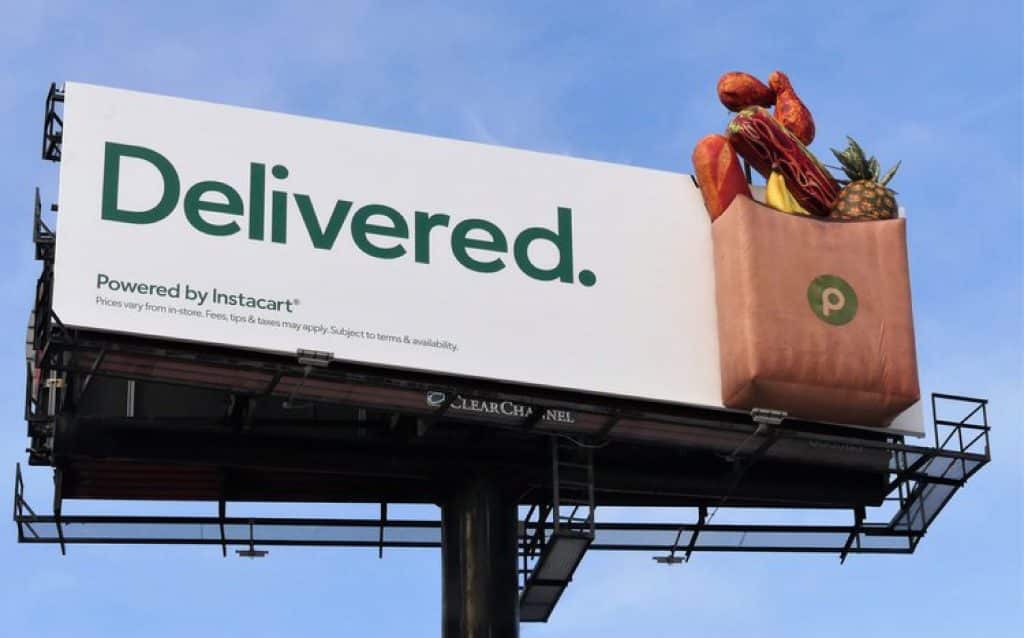
Brand Awareness Campaign
Aim: To Create Awareness of a Brand and Its Services
A brand awareness campaign does exactly what it sounds like — it lets people know about your company and what you do. This type of campaign works best for newer companies whose identity and services may not be widely known.
The goal is to familiarize people with what you offer and imprint your brand in their minds. Then, when they need what you provide, your company is the first thing that comes to mind.
Billboards accomplish brand awareness very effectively. A board for this type of campaign is simple and acts as a showcase for your products — you tell people what you have available and let the impression do the work.
Best Location for Brand Awareness Billboards
For a brand awareness campaign, you want people to view your billboard daily. That means placements in high-visibility, high-traffic areas like major highways. If someone sees your board on their commute every day, your branding becomes familiar — and familiarity builds trust.
What Type of Company Should Use Brand Awareness?
While any company can benefit, new businesses and startups will get the most from a brand awareness campaign. They’re building from nothing and need people to recognize their offerings quickly. OOH brand awareness can alert people to your existence far faster than waiting for PR coverage or organic word of mouth.
What Should a Brand Awareness Billboard Convey?
A brand awareness board should showcase what you do and what you sell. For example, if you have a new restaurant, include imagery of your food or dining room alongside creative messaging. Keep it simple — the goal is recognition, not a sales pitch.
Tie Into Existing Campaigns
One of the greatest strengths of OOH advertising is how well it complements other media. A brand awareness billboard can reinforce messages you’re running on digital and social platforms — echoing the same creative themes across channels builds recognition faster.
To maximize local impact:
- Identify the best demographics and target boards in neighborhoods where they live, work, or commute.
- Referenc
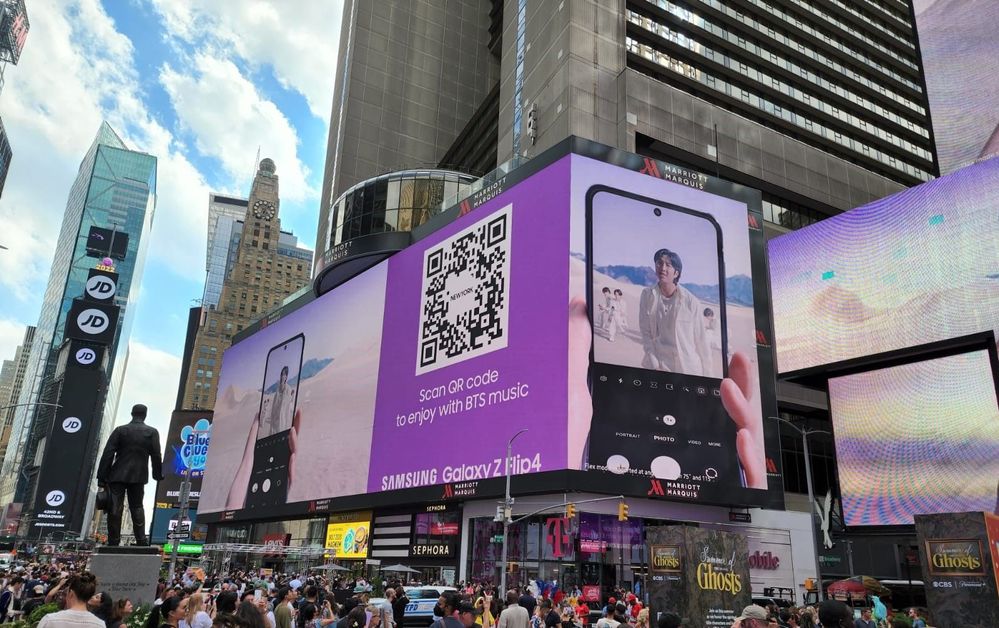
Call to Action Campaign
Aim: To Spark People to Do Something Related to Your Product
Call to action (CTA) campaigns are designed to inspire immediate action. A billboard might encourage people to visit a website, call a business for more information, or purchase a product. The aim is to drive measurable results, though the desired result can vary by industry. The ultimate goal is to motivate viewers to take proactive steps after seeing your ad.
Companies often meet this goal by highlighting special pricing, promotional offers, or time-sensitive deals on their billboards. They might direct viewers to a store, website, or event to capitalize on the advertised offer.
Ways to Track CTA Results
How can you measure the effectiveness of your call to action billboard? There are tools and strategies that can help you track responses, including:
- Special hashtags: Use unique hashtags exclusively for your campaign. Track when and where they are used across social media platforms.
- Dedicated landing pages: Create campaign-specific websites or landing pages to monitor visits and conversions.
- Unique phone numbers: Assign phone numbers exclusively for the campaign to track calls directly resulting from the billboard.
Most Effective Messaging for CTA Campaigns
To connect with your audience effectively, use commanding and action-oriented language. Your message should create a sense of urgency or exclusivity that compels viewers to act immediately. Examples of impactful phrasing include:
- “Now out”: Announces availability and motivates immediate action.
- “Limited time”: Creates a sense of urgency by suggesting the opportunity won’t last long.
- “Call now”: Directs viewers to take action without delay.
Clear, concise, and urgent messaging resonates most with audiences and prompts quicker responses.
Best Creative for CTA Campaigns
Bold, pointed creative that funnels viewers toward the desired action mechanism is essential for successful CTA campaigns. Visual clarity, coupled with simplicity, is key. For businesses with physical locations, using directional elements can further enhance your campaign’s effectiveness. Directionals are particularly effective for restaurants, retail stores, or service providers near highways or busy streets.
Examples of directionals include:
- An arrow pointing toward your store or location.
- An exit number or mile marker to guide drivers.
(Think of McDonald’s billboards along highways, which show how far away the next location is.)
What Should a CTA Campaign Billboard Include?
Every CTA campaign billboard should feature at least one clear and actionable element to guide viewers toward engagement. Consider incorporating any of the following:
- Hashtag: Encourage social media engagement.
- Phone number: Provide a direct line for inquiries or purchases.
- Website: Offer a URL for online traffic or more information.
- Address: Highlight the physical location for in-person visits.
- Arrow/directional: Point the way to your nearest location.
- QR code: Make it easy for users to access information or promotions with a quick scan.
By designing your campaign around the right type of billboard and creative elements, you’ll achieve better results and connect with your target audience effectively. CTA campaigns are a powerful tool for driving action and building your business.
Reach out to us to get started and let our experts craft the perfect CTA campaign for your brand.