
For decades, travelers crossing the Bay Bridge in San Francisco were greeted by a simple yet iconic sight: the Coca-Cola billboard. This legendary sign became a defining part of the local landscape, as recognizable as Alcatraz, Fisherman’s Wharf, or the Bay Bridge itself.
First installed in 1937, just one year after the Bay Bridge opened, the brightly colored billboard stood 112 feet above the ground. It boldly invited passersby to “Enjoy Coca-Cola” and lit up the night with its vibrant display — initially powered by light bulbs and later updated to eco-friendly LED lights.
However, nothing lasts forever. In October 2020, the iconic Coca-Cola billboard was removed as the company reexamined its media strategy, likely influenced by the challenges of a global pandemic. With many venues temporarily closed, soda consumption outside the home declined sharply, prompting Coca-Cola to reassess its advertising priorities.
For many San Francisco residents, the sign’s removal marked the end of an era. Over its 80+ years, the Coca-Cola billboard had evolved from a simple advertisement into a beloved city symbol — something familiar that evoked nostalgia and pride for those returning home after time away.
Billboards have a unique ability to transcend their original purpose. While Coca-Cola certainly reaped the advertising benefits of the sign, its enduring presence brought so much more. This highlights the power of out-of-home advertising: a single billboard can remain in place for decades, becoming an integral part of a community’s identity.
That story inspired this list. Below are the 10 most legendary billboards in the world — locations and campaigns that achieved the same rare status, becoming cultural landmarks in their own right. And at the end, you’ll find the Coca-Cola SF billboard where it belongs: as an honorable mention that started it all.
1. Pepsi Sign in Queens
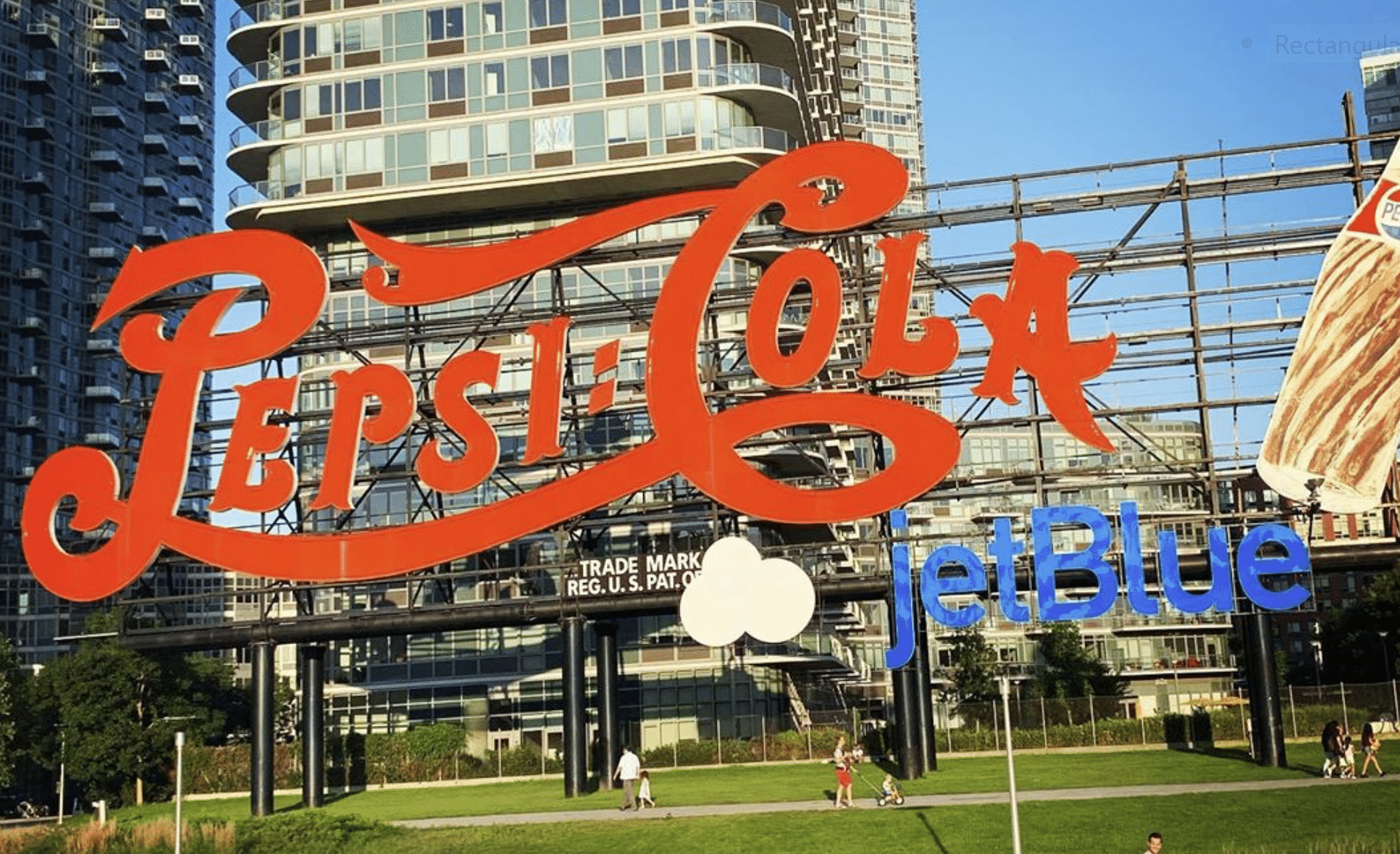
If the Cola Wars were still in full swing, PepsiCo would likely take the crown for iconic billboards. Their famous sign, installed in 1940 along the Queens waterfront in New York, is a standout in the advertising world. Intriguingly, it debuted just three years after Coca-Cola’s legendary San Francisco billboard, possibly as a strategic move.
Pepsi’s sign has achieved lasting recognition. In 2016, New York City granted it landmark status, describing it as “endearing and recognizable.” This designation secures its place in the city’s history and ensures it will remain a beloved feature for years to come.
In 2019, the sign saw a temporary update with the addition of a JetBlue logo as part of a partnership with the airline. While this modern twist drew mixed reactions—many locals preferred the classic Pepsi logo and bottle—it highlighted the sign’s enduring cultural relevance.
2. Yonge & Dundas in Toronto
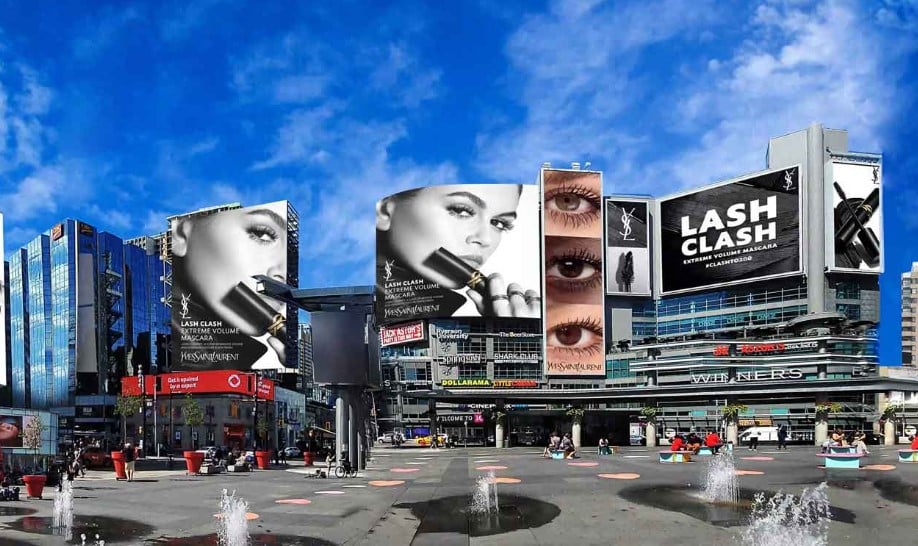
Often referred to as the Times Square of Canada, Yonge & Dundas Square is home to three towering digital billboards at one of the busiest intersections in the country. Surrounded by restaurants, condominiums, and popular attractions, this area serves as a prime location for advertisers looking to make an impact.
The digital displays offer an impressive 50,000 square feet of advertising space, allowing a single advertiser to dominate the area and captivate the attention of the countless pedestrians and commuters passing through daily.
3. King Khalid Airport in Saudi Arabia
The biggest billboard in the world!
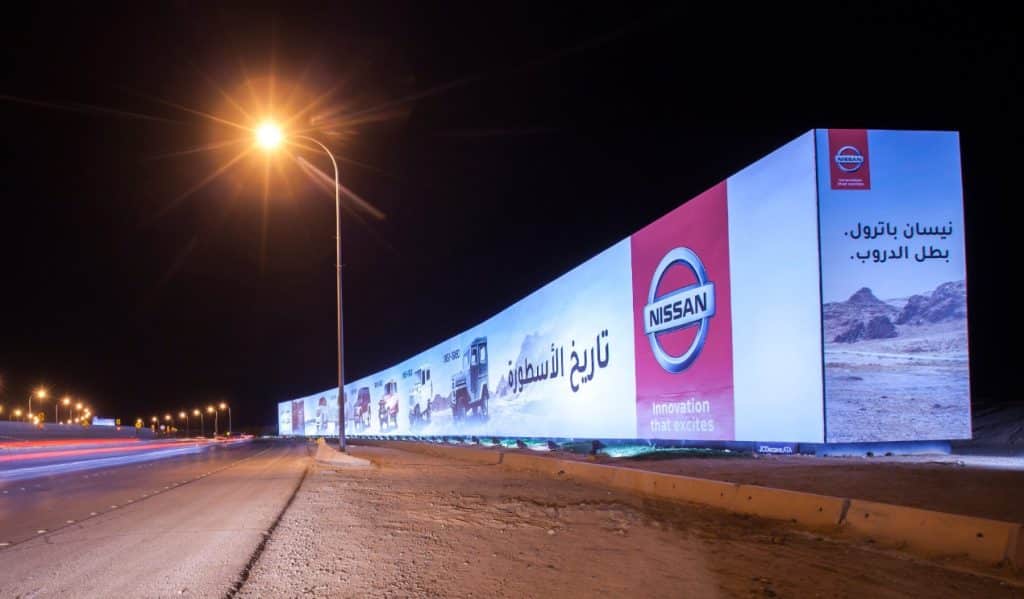
The largest billboard still in existence can be found outside King Khalid International Airport in Saudi Arabia. Measuring 820 feet long by 39 feet tall — a total of 32,291 square feet — this Guinness World Record-certified structure was an LG Electronics campaign that took over three months and 12,000 labor hours to build. Its sheer scale makes it impossible to miss—passengers on every plane landing at the airport are greeted by its commanding presence.
Although the King Khalid Airport billboard is technically the second-largest in the world behind a Ford billboard, it remains the most visible due to its location and scale.
Ready to create your own iconic billboard campaign? DASH TWO helps brands plan and buy outdoor advertising in LA and markets nationwide.
Request Quote4. Branded Cities 7 TSQ
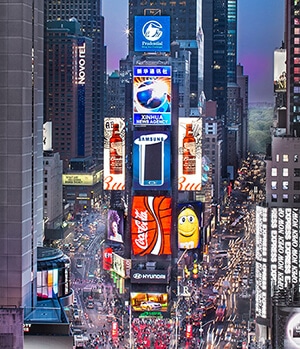
It’s tough to pick just one standout billboard in Times Square, where the name itself is synonymous with dazzling, brightly lit advertisements. However, the Branded Cities 7 TSQ might just take the title of the most iconic. Positioned prominently, it’s the billboard you see in the background during the New Year’s Eve ball drop.
The tenants of the sign may change, but its unparalleled visibility in the heart of Times Square remains constant year-round. For a deeper look at the role of Times Square billboards, check out NYCGo’s guide to Times Square advertising.
5. Piccadilly Circus Billboard
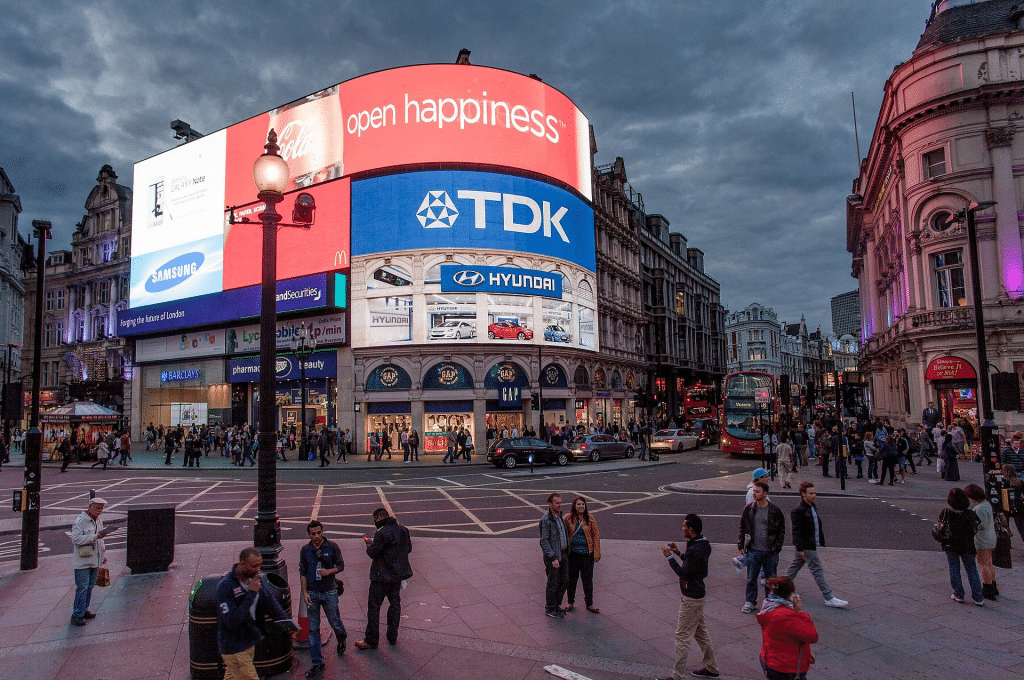
The Piccadilly Circus Billboard (or hoarding, as they’re called in the UK) is a landmark stretching across the West End in London. It’s not just a place for advertising—it’s a tourist attraction near prime shopping destinations. For over a century, this corner has been home to illuminated billboards, wrapping down the street and around the building. Iconic brands like Perrier and Coca-Cola have maintained a presence here for decades.
In 2017, the display underwent a major upgrade. The traditional billboards were replaced with a state-of-the-art 4K LED screen that now hosts six advertisers on its massive 8,500-square-foot display. For more on how technology is reshaping outdoor advertising, check out our guide to digital outdoor ads.
6. Sunset Strip in Los Angeles
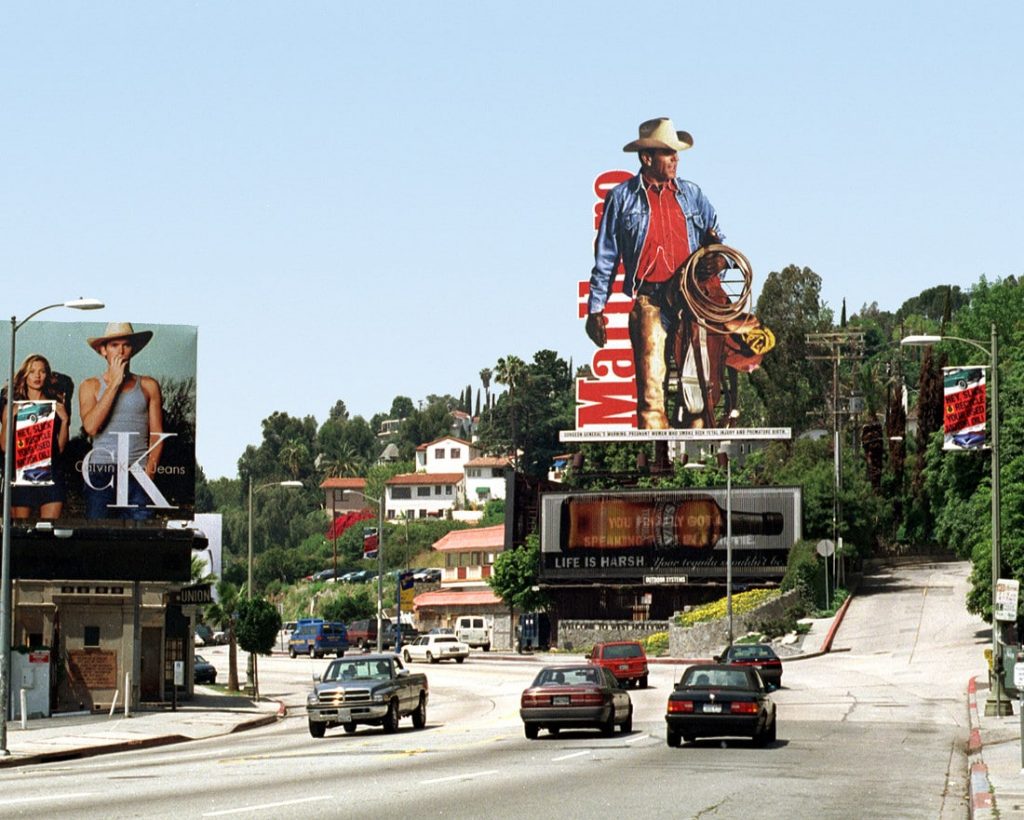
No street in the world has a longer, more storied relationship with billboard advertising than the Sunset Strip. Stretching roughly 1.5 miles through West Hollywood, this stretch of Sunset Boulevard has been the entertainment industry’s preferred canvas for over 70 years — a place where albums get launched, movies get hyped, and artists announce their arrival to the world.
The tradition traces back to the 1960s when record labels discovered that a Sunset Strip billboard was the fastest way to put an artist in front of LA’s tastemaker crowd. Led Zeppelin, The Doors, and the Eagles all made their mark here. The Marlboro Man — one of the most recognizable advertising images in history — loomed over the Strip for decades, becoming as synonymous with the boulevard as the Chateau Marmont. Calvin Klein’s provocative campaigns turned heads. More recently, artists from Drake to Beyoncé have used Sunset Strip placements to generate cultural moments that spill from the physical world into social media within hours.
What makes the Strip unique isn’t just the prestige — it’s the audience. The people passing through on any given night include industry executives, journalists, celebrities, and the kind of cultural influencers who shape what becomes mainstream. A well-executed Sunset Strip campaign doesn’t just reach eyeballs — it reaches the right eyeballs, in a context where they’re already primed to pay attention.
The Strip has also evolved with the times. Revitalization efforts over the past decade have brought digital displays and more dynamic creative formats to a corridor that was once dominated by static painted bulletins. Today you’ll find both — classic hand-painted spectaculars sitting alongside LED digital boards, giving brands the choice between timeless craft and real-time flexibility.
DASH TWO has placed campaigns on the Sunset Strip for artists, labels, film studios, and consumer brands. If you’re looking to make a statement in Los Angeles, there’s nowhere better. Learn more in our Guide to Billboards in LA or get in touch with our team.
7. Shibuya Crossing in Tokyo
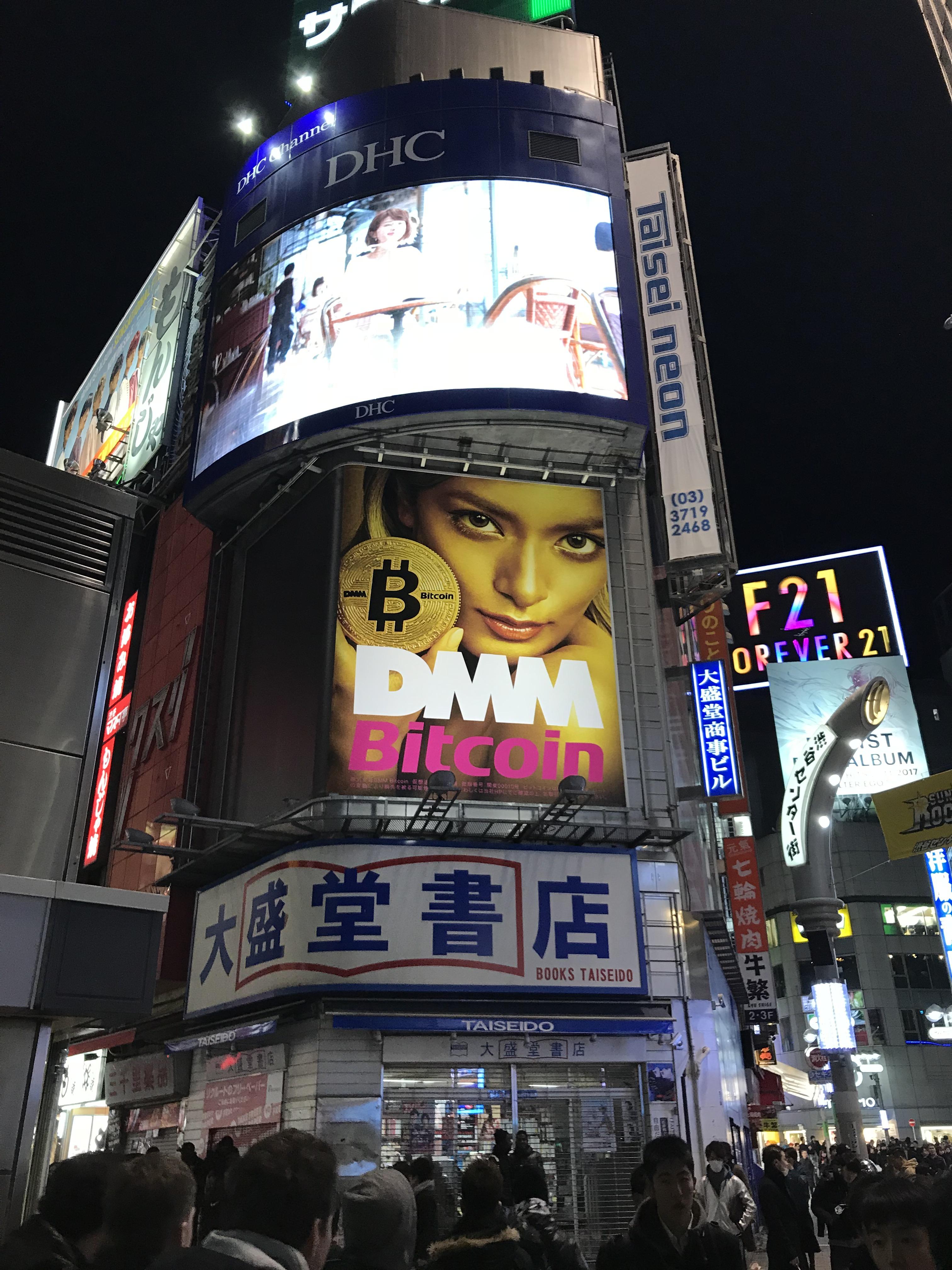
When it comes to sheer digital billboard brilliance, Times Square might be famous, but it doesn’t compare to the dazzling displays at Shibuya Crossing in Tokyo. Also known as Shibuya Scramble Crossing, this location is often referred to as the world’s busiest pedestrian intersection. At peak times, as many as 2,500 people cross the streets simultaneously, surrounded by towering digital screens that light up the area in a kaleidoscope of colors.
Shibuya Crossing has become a cultural icon, not just in Japan but globally. The vibrant energy of the area has made it a popular setting for filmmakers, most notably in movies like *The Fast and the Furious: Tokyo Drift*. The constant flow of people and the high-impact visuals create a perfect backdrop for storytelling, symbolizing the fast-paced modern world.
The digital billboards at Shibuya Crossing are more than just advertisements—they’re part of the city’s identity. The synchronized displays and vivid animations captivate both locals and tourists, cementing the crossing as a must-see destination. Whether viewed in person or on screen, Shibuya Crossing remains a testament to the power of outdoor advertising in blending innovation, culture, and commerce.
8. Bandra in Mumbai
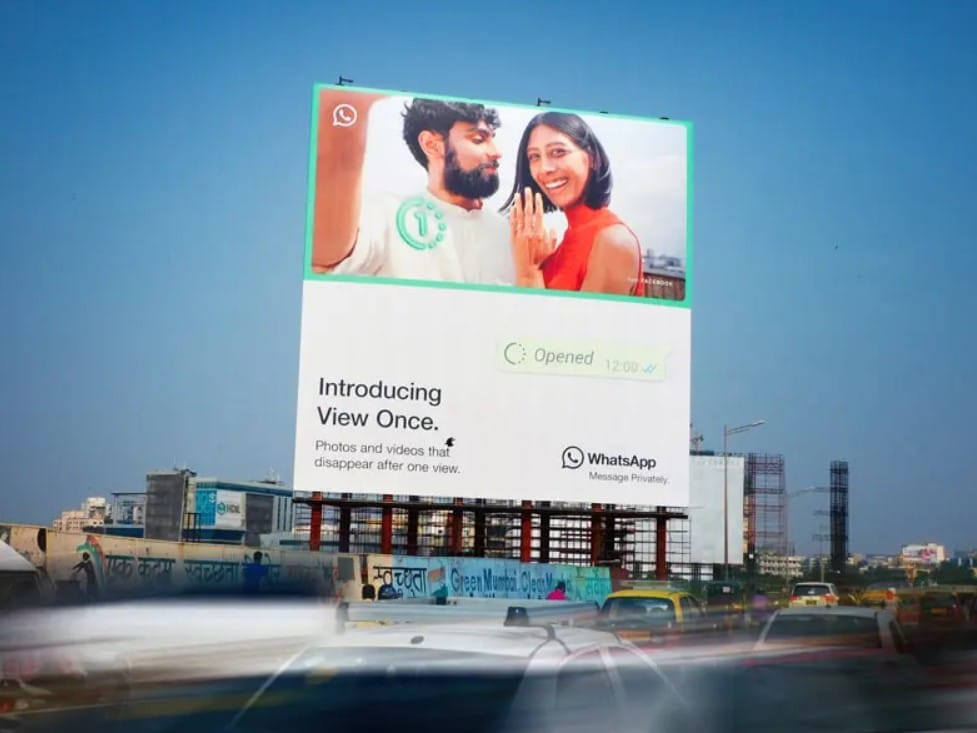
In a bustling metropolis of over 20 million people, competition for prime advertising space is fierce. One of the most sought-after locations in Mumbai is the Bandra billboard, strategically placed along a highway that connects two of the city’s largest business districts. This positioning ensures the billboard captures the attention of both commuters and professionals traveling between key areas.
Measuring an impressive 120×240 feet, the Bandra billboard stands as one of the largest and most recognizable advertising structures in India. Its massive size and strategic location make it an ideal choice for high-profile brands aiming to maximize visibility in one of the world’s busiest cities.
The billboard doesn’t just offer scale—it represents a premium advertising opportunity. In a city where outdoor space is at a premium, securing a spot here allows brands to reach a diverse and dynamic audience, from business executives to everyday commuters. Its prominence ensures it remains a focal point in Mumbai’s vibrant advertising landscape, showcasing the power of outdoor media in connecting with a vast urban population.
9. Waterfall Billboard in Dallas
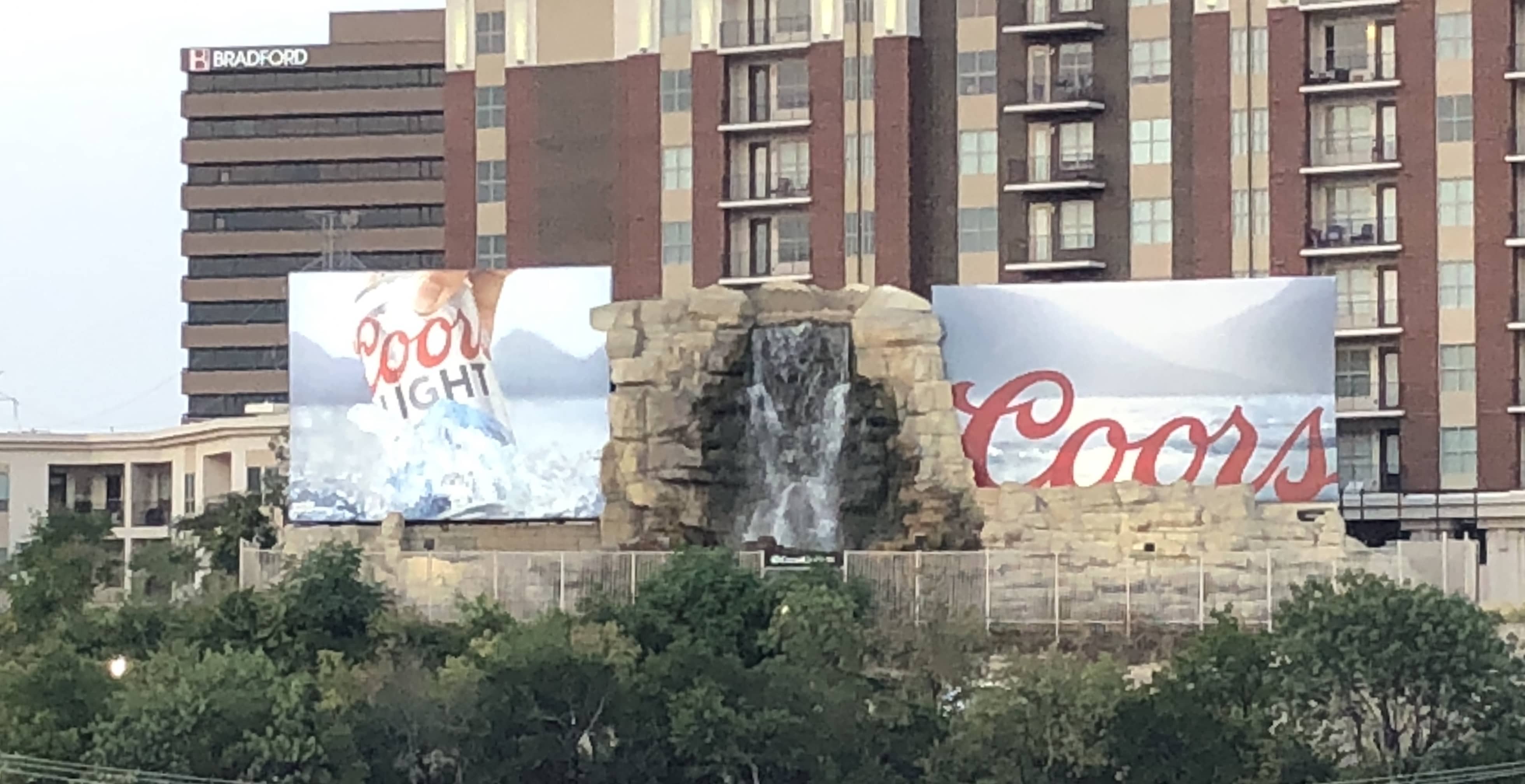
The Dallas Waterfall Billboard, visible from I-35 near Goat Hill Park, is a true standout in the world of outdoor advertising. Installed in 1962, it has hosted a variety of notable advertisers over the decades, including Coors, Absolut Vodka, and Salem Cigarettes. Its defining feature—a cascading 45-foot waterfall—adds a dynamic, eye-catching element that few billboards can match.
Unlike traditional static or digital billboards, the waterfall creates a sense of movement and intrigue, drawing attention from passing motorists and locals alike. This unique feature not only elevates the visual impact but also makes the billboard a landmark in the Dallas area.
Over its long history, the billboard has become an iconic part of the cityscape, blending advertising with artistry in a way that leaves a lasting impression. Its ability to adapt to different advertisers while maintaining its distinctive design highlights the creativity and innovation that outdoor media can achieve.
10. Sonora 128 in Mexico City
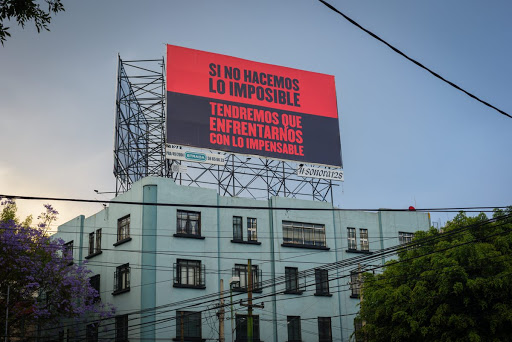
Sonora 128 is no ordinary billboard. Located in the bustling Condesa neighborhood of Mexico City, this unique advertising space doubles as an artistic canvas, attracting tourists and locals alike. Unlike traditional billboards, Sonora 128 is used by prominent artists to create thought-provoking and visually stunning works, often addressing social, political, and cultural issues.
This innovative concept transforms a typical advertising medium into a platform for artistic expression, blending creativity with community engagement. Over the years, many renowned artists have utilized the billboard to deliver powerful messages, offering a fresh perspective on what outdoor advertising can achieve. The result is a dynamic space that continues to evolve and captivate audiences.
Sonora 128 is a testament to the idea that billboard advertising can be more than just promotional—it can inspire, provoke thought, and become a cultural landmark. It’s a brilliant example of how creativity can redefine the possibilities of outdoor media.
We started this list with its story, and it’s only right we end with it too. The Coca-Cola billboard that stood above the San Francisco Bay from 1937 to 2020 was, by almost any measure, the most iconic billboard in American history — not because of its size or technology, but because of what it meant to an entire city.
Visible from the Bay Bridge and much of the waterfront, the sign became a waypoint for generations of San Franciscans. Returning travelers knew they were home when they spotted it. It appeared in films, photographs, and memories spanning eight decades. It was never just an ad — it was a landmark.
Its removal in October 2020 prompted an outpouring of tributes from residents who had grown up seeing it every day. That reaction — grief over the loss of a billboard — says everything about what outdoor advertising can become when it earns its place in a community’s identity over time.
No other advertising medium does this. A TV spot airs and disappears. A digital ad is scrolled past in seconds. But a great billboard stays — year after year, becoming part of the landscape, part of the culture, part of home. That’s the power of out-of-home advertising, and it’s why the Coca-Cola SF billboard belongs on any list of the world’s most iconic.
Interested in creating something that lasts? Learn more about billboard advertising with DASH TWO or get in touch with our team today.