


Buying billboard space means renting ad time on an existing structure — not purchasing the physical sign. Most advertisers work with a media agency to identify locations, negotiate rates, and manage production. Here’s how the process works and what to expect.
Note: this guide covers renting advertising space on existing billboards. If you’re looking to purchase a billboard structure to own and operate, that’s a different process covered by outdoor advertising brokers.
For most campaigns, working with a media agency simplifies the process significantly. Agencies like DASH TWO have established vendor relationships, access to inventory databases, and negotiating leverage that direct buyers don’t — which typically means better locations at lower CPMs. This guide walks through the full process so you know what’s involved either way.
What Are the Restrictions on Billboard Advertising?
Before designing your billboard campaign, it’s crucial to understand the restrictions that apply to outdoor advertising. Certain products and services are prohibited from using billboards, and violating these rules can lead to fines or removal of your advertisement.
Prohibited Products: Billboard advertising for tobacco products has been banned since 1998. Similarly, in states where marijuana is legalized, billboard advertising for dispensaries or related cannabis industries is often restricted or prohibited, depending on local regulations. Be sure to review your state’s laws if your business operates in these sectors.
Vendor-Specific Restrictions: Billboard vendors may impose additional guidelines based on location, content, or their own policies. It’s a good idea to consult with the vendor to ensure your advertisement complies with their standards before proceeding.
Federal Restrictions: All billboard advertisements must adhere to federal laws prohibiting deceptive claims. For instance, you cannot falsely state that an energy drink cures diseases. However, factual claims, such as increasing alertness, are acceptable.
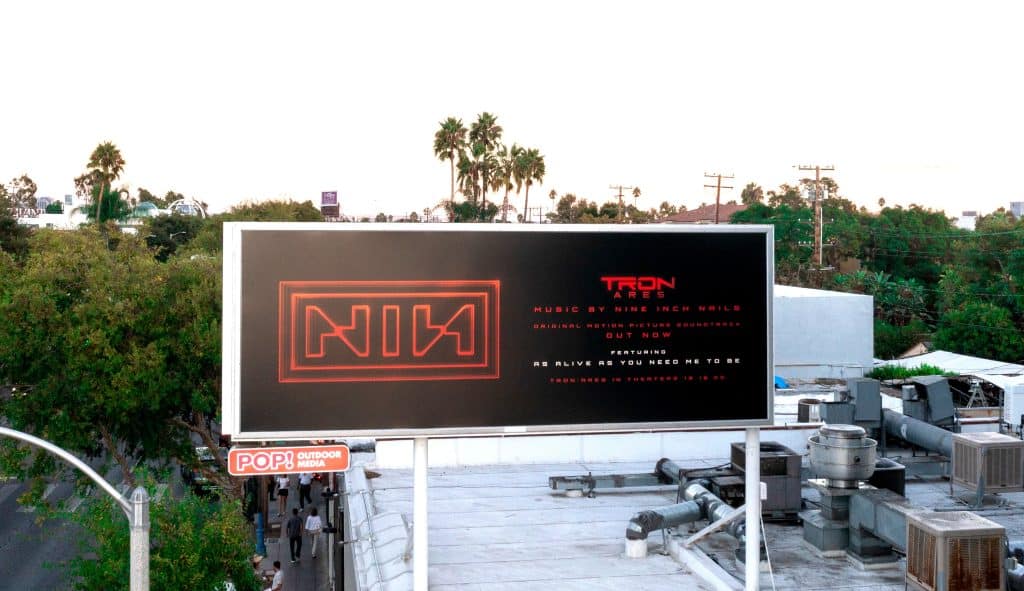
Understanding and navigating these restrictions ensures your campaign runs smoothly and aligns with legal and vendor requirements. For more insights, explore our guide on billboard advertising best practices.
What Makes a Good Billboard Location?
Location is everything in billboard advertising. A great creative on a bad board underperforms every time. Before you buy billboard space, evaluate any location against these key factors.
Traffic Volume
Billboard pricing is largely driven by traffic counts — the number of vehicles or pedestrians passing a location daily. Higher traffic means more impressions, but it also means higher cost. Ask vendors for the DEC (Daily Effective Circulation) for any board you’re considering, and compare it against the rate to calculate your effective CPM.
Visibility Window
How long does a driver have eyes on the board? A billboard on a 65 mph highway gives you roughly three to five seconds of visibility. One on a surface street near a stoplight can deliver ten seconds or more. Longer visibility windows allow for slightly more copy — shorter ones demand a single bold message and nothing else.
Direction of Travel
A billboard facing outbound commuters leaving a city at 5pm is worthless if you’re promoting a downtown restaurant. Match the direction of travel to your audience’s intent. Boards on inbound lanes reach people heading toward your location; outbound boards work better for awareness campaigns where destination doesn’t matter.
Proximity to Point of Sale
The closer a billboard is to where the purchase decision happens, the more likely it is to drive action. A billboard two miles from your store location — with an arrow — outperforms a board across town at twice the price. If you’re running a regional brand awareness campaign, proximity matters less. If you’re driving foot traffic, it matters enormously.
Obstructions and Sight Lines
Trees, overpasses, competing signage, and building setbacks can all degrade a board’s visibility. Always visit the location in person before committing. Walk or drive the approach at the speed of traffic and note how far out the board becomes legible and whether anything blocks it seasonally — foliage that’s sparse in winter can completely obscure a board by July.
Ready to buy billboard space? DASH TWO helps brands plan, buy, and execute outdoor advertising campaigns in LA and markets nationwide.
Request QuoteHow to Buy a Billboard: Start by Finding the Right Vendor
A common misconception among first-time advertisers is that local or state governments own the billboards along highways. In reality, most billboards are privately owned by vendors who rent out space to advertisers, either directly or through agencies.
Some of the largest billboard vendors in the U.S. include:
- Lamar Advertising
- Intersection
- Regency
- JCDecaux
- Clear Channel Outdoor
- Outfront Media
In addition to these major companies, there are numerous smaller, regional vendors that cater to specific markets.
Finding the Right Billboard: If you have a specific location in mind, start by identifying the owner. Some billboards display ownership information at the bottom, allowing you to contact the vendor directly. However, many do not, which is where agencies can help. Experienced agencies often have access to vendor databases and can quickly determine ownership details.
If you’re uncertain about where to buy a billboard, vendors can provide information about their available inventory. However, it’s crucial to perform due diligence. Visit the location to ensure the billboard offers high visibility for your target audience. Be aware that vendors might attempt to include less desirable locations in package deals, as explained in our guide on buying billboards strategically.
Negotiating with Vendors: Dealing with vendors can be challenging for first-timers, as they may lack the leverage and industry knowledge that agencies bring to the table. Agencies often have established relationships with vendors and access to better pricing through bulk negotiations. While buying a billboard directly is possible, working with a trusted agency like DASH TWO can simplify the process and help you secure the best locations at competitive rates.
How Long Does a Billboard Campaign Typically Run?
Most billboard campaigns are sold in four-week increments. However, the optimal campaign duration depends on your goals and the nature of your promotion.
Short-Term Campaigns: Events like concerts, festivals, or product launches with specific dates benefit from shorter durations. In such cases, advertising beyond the event date offers little return and should be avoided.
Long-Term Campaigns: For ongoing promotions, such as the grand opening of a retail location or brand awareness efforts, extending your campaign to 12 weeks or more can significantly enhance visibility and reinforce your message with your target audience.
Ultimately, tailoring the length of your campaign to your objectives ensures maximum impact and cost efficiency. For expert guidance on planning the ideal campaign, consider consulting with an agency like DASH TWO.
How Much Does It Cost to Buy a Billboard?
The cost of purchasing billboard space varies significantly depending on several factors, including:
- City or Market: Larger cities like New York City typically have higher billboard costs compared to less-populated areas like Indianapolis.
- Billboard Location: Premium locations, such as those on interstates or in high-traffic urban areas, command higher prices than less visible spots.
- Campaign Duration: Longer commitments often come with negotiated discounts but require a larger upfront investment.
In smaller towns, billboard advertising can be surprisingly affordable, often costing less than other forms of local marketing. For a detailed breakdown, see our guide on billboard advertising costs.
Additional Costs: Keep in mind that renting billboard space is just one part of the expense. You’ll also need to cover the cost of creating the advertisement. A general estimate for production is 50 cents per square foot. For instance, a standard 14-foot by 48-foot bulletin billboard will require vinyl that costs approximately $336.
If you’re considering custom designs, like a buildout extending beyond the billboard’s dimensions, expect production costs to increase. While these unique designs can make your campaign more eye-catching, they require a larger budget.
Understanding these cost factors helps you plan a billboard campaign that fits your budget and delivers maximum value. For personalized pricing and location options, contact DASH TWO.
Can I Change My Billboard Message During the Campaign?
Yes, you can update your billboard message partway through a campaign. However, this usually incurs additional costs, mainly for creating new materials.
Cost of Changing Messages: Updating your billboard typically starts at around $336 for standard vinyl creative, depending on the billboard’s size and type. Digital billboards, by contrast, often allow for more flexible and cost-efficient updates since physical materials are unnecessary.
Adjusting your message mid-campaign can be a smart strategy, especially for time-sensitive promotions or shifting marketing goals. It’s important to factor these potential costs into your initial campaign budget.
For expert advice on managing billboard campaigns and making creative updates, connect with DASH TWO. Our team can assist in streamlining the process and ensuring your message stays effective throughout the campaign.
What Are the Advantages of a Digital Billboard?
Digital billboards offer a modern, flexible option for advertisers looking to create dynamic and time-sensitive campaigns. However, they differ from traditional billboards in availability and functionality, so it’s essential to understand their unique benefits and limitations.
Availability: While digital billboards are less common than traditional ones, they are increasingly popular in urban areas and high-traffic locations. Their scarcity can make them highly sought after, especially for premium spots.
Flexibility: One of the biggest advantages of digital billboards is their short-term booking options. You can reserve ad space for as little as a single day, making them ideal for promotions with tight timelines or last-minute campaigns. Additionally, digital billboards allow for quick updates or multiple rotating messages, eliminating the need for physical materials.
Extended Reach: Digital networks enable advertisers to display their messages across multiple locations, amplifying their reach. This feature is especially useful for regional or national campaigns targeting broad audiences.
Digital billboards are an excellent choice if you already have digital media assets or need a campaign that adapts quickly to changing circumstances. For expert guidance on integrating digital billboards into your strategy, contact DASH TWO.
The Accessibility of Outdoor Advertising: How Anyone Can Buy Billboards
Billboards remain one of the most accessible and impactful forms of advertising. Whether you’re a small business owner or a large corporation, you can buy space directly from a vendor and have your ad displayed in a relatively short time frame. This ease of entry makes outdoor advertising a popular choice for businesses of all sizes.
Why Choose Outdoor Advertising? Outdoor advertising offers unparalleled visibility, reaching a broad audience in high-traffic areas. From traditional billboards to modern digital displays, it provides an opportunity to make a strong impression and enhance brand awareness.
If navigating the process feels overwhelming, seeking professional assistance is always a good idea. Agencies like DASH TWO specialize in simplifying the process, helping you select the best billboard locations and formats for your campaign objectives. With expert guidance, you can maximize your investment and achieve your advertising goals.
How to Buy Billboard Space Without an Agency
It’s possible to buy billboard space directly from a vendor without using an agency. Here’s how the process works and what to watch out for.
Identify the Billboard Owner
Most billboards display the vendor’s name and contact information at the base of the structure. If the board isn’t labeled, a quick search of the address on Lamar, Clear Channel, or Outfront Media’s inventory tools will often surface the owner. For smaller regional boards, a local outdoor advertising association directory can help.
Request a Media Kit and Availability
Contact the vendor directly and ask for availability, traffic counts, and rate cards for the locations you’re interested in. Vendors will typically send a media kit that includes DEC figures, photos, and standard rates. Rates are negotiable — especially for longer commitments or if inventory has been sitting unsold.
Submit Your Creative
Once you’ve agreed on a location and contract terms, you’ll need to provide print-ready artwork in the vendor’s required specifications. Most standard bulletins require files at 14 feet by 48 feet at 300 DPI. Production and installation of the vinyl is a separate cost, typically starting around $336 depending on board size.
What You Give Up Going Direct
Buying direct is doable, but there are real trade-offs. Vendors charge rack rates to direct buyers — the same inventory is routinely available at lower CPMs through agencies with established volume relationships. You also won’t have access to consolidated reporting across multiple vendors, and you’ll be managing contracts, production deadlines, and posting confirmations on your own. For a single-market, single-board campaign, going direct is reasonable. For anything more complex, an agency pays for itself.
Frequently Asked Questions About Buying Billboard Space
Yes, anyone can purchase billboard space. Whether you’re a small business owner, a large corporation, or an individual, you can rent billboard space directly from vendors or through an agency. Agencies like DASH TWO simplify the process and help you secure premium locations.
The cost varies based on several factors, such as location, duration, and type of billboard. In major cities like New York City, prices can range from $10,000 to $50,000 per month, while in smaller towns, it could be as low as $500 to $1,500 per month. Production costs for vinyl creative start at around $336 for standard sizes.
Many billboards display ownership details at the base of the structure. If not, agencies can often help identify the vendor. Vendors such as Lamar Advertising, Clear Channel Outdoor, and Outfront Media own many billboards across the U.S.
Most billboard campaigns are sold in four-week increments. However, you can extend the duration depending on your advertising goals. Short-term campaigns are ideal for events, while long-term campaigns work better for ongoing brand awareness.
Yes, you can update your message, though additional creative costs may apply. For example, producing new vinyl for a traditional billboard starts at approximately $336. Digital billboards offer a more cost-effective and flexible option for message updates.