

Digital Advertising With DASH TWO's Solutions and Services Clients have Expert Strategies and Insights for Effective Digital Advertising
REQUEST QUOTE 
The Main Types of Digital Advertising
Consumers today spend more time online than anywhere else — watching videos, using social media, reading email, and searching for products they want. To reach them, you need to be there too: telling them about your brand, capturing leads, and making sales.
If you’re not investing in digital advertising, your competition is.
Digital advertising is what fuels an effective online marketing strategy — it’s how you find and engage your next paying customer. DASH TWO is a results-driven digital advertising agency working with concert promoters, fashion clients, music clients, and higher education brands.
We’re great at what we do: getting your brand, your content, and your call to action in front of the right buyers, fast.
SEM

SEM (Search Engine Marketing) promotes websites by increasing their visibility in search engine results pages (SERPs) through paid advertising. Advertisers bid on keywords relevant to their target audience, and ads appear to users actively searching for those terms.
The result is highly targeted traffic delivered directly to your site — from people already looking for what you offer.
BEST FORSEM is best for reaching users who are actively searching for products or services on Google and other search engines. It delivers highly targeted visibility, immediate results, and high-intent leads — people who are already looking to buy.
By targeting the right keywords, businesses can optimize ad spend and maximize ROI from day one.
AVERAGE COSTSEM costs vary based on keyword competitiveness, bidding strategies, and ad quality. Advertisers set their own budgets on platforms like Google Ads, paying per click (CPC) or per thousand impressions (CPM).
Costs can range from a few cents to hundreds of dollars per click depending on the industry and competition level.
More Information
Programmatic
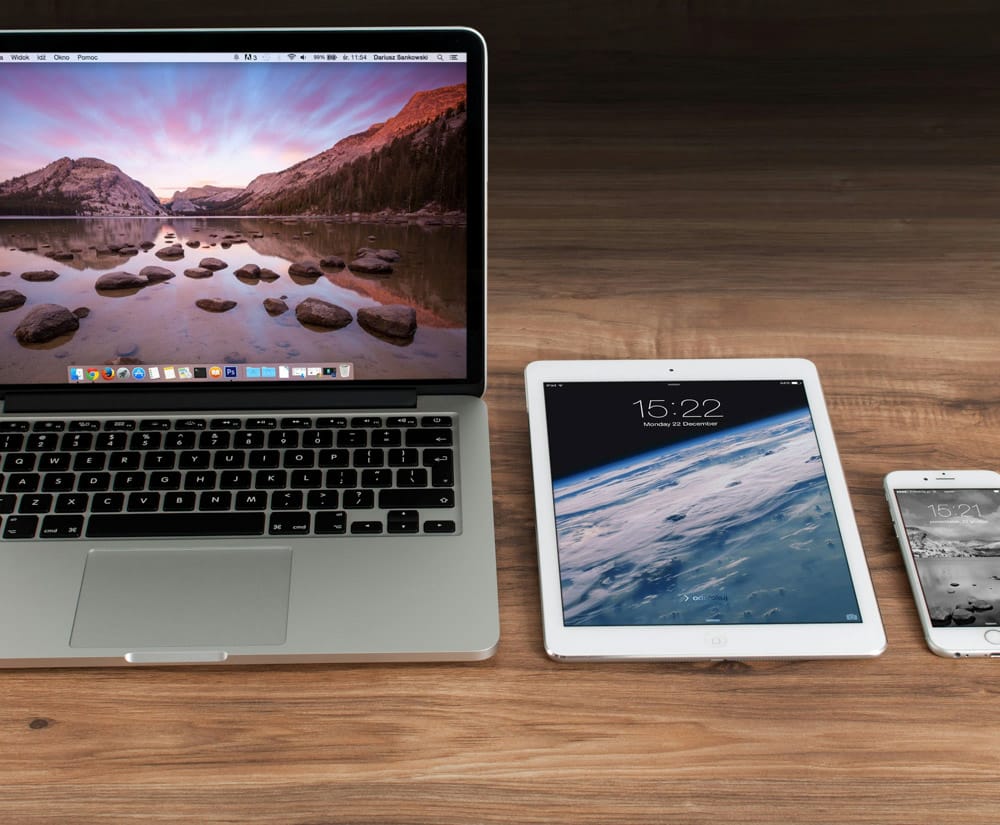
Programmatic advertising automates the buying, placement, and optimization of ad inventory in real time using algorithms and data. It reaches specific audiences across websites, apps, and digital platforms — with precision that manual buying can’t match.
The result is improved efficiency, better targeting, and greater scalability — all of which add up to stronger ROI for advertisers.
BEST FORProgrammatic excels at reaching precise audience segments with tailored messages in real time. It’s ideal for brands looking to optimize ad spend, improve targeting accuracy, and maximize campaign efficiency.
With unparalleled scalability, programmatic lets advertisers reach vast audiences across multiple channels — while maintaining full control over budget allocation and performance.
AVERAGE COSTProgrammatic costs vary based on ad format, targeting options, and competition. On average, CPM ranges from $0.50 to $2.00 for display ads and $0.75 to $3.50 for video ads.
Premium placements or highly targeted campaigns can cost significantly more — but the precision and efficiency typically justify the investment.
More Information Video

Video advertising promotes products and services through video content across websites, social media, and streaming platforms. Key formats include in-stream ads (played before, during, or after video content), out-stream ads (standalone videos in non-video environments), and interactive video ads.
Each format serves a different purpose — from building broad brand awareness to driving direct response and conversions.
BEST FORVideo advertising is best for engaging audiences with compelling visual content — telling immersive stories, showcasing products in action, and creating emotional connections that static formats can’t replicate.
It’s especially effective for brand awareness and driving engagement on social media and streaming platforms, where video consistently outperforms every other ad format.
AVERAGE COSTVideo advertising costs vary based on platform, targeting criteria, ad format, and campaign goals. On average, CPM for video ads ranges from $10 to $30.
Premium placements or specialized targeting can push costs higher — sometimes exceeding $50 CPM — but the engagement rates video delivers typically make it worth the investment.
Audio

Audio advertising delivers ads through streaming platforms, podcasts, and radio apps. Formats include audio spots, sponsorships, and native placements.
Ads are targeted based on demographics, interests, and listening habits — reaching audiences through sound at moments when visual advertising simply isn’t an option.
BEST FORAudio advertising excels at reaching audiences during passive activities — commuting, working out, or relaxing — when visual ads aren’t in play.
It’s a powerful format for brand awareness and storytelling, reaching consumers in a personal, intimate way through podcasts, streaming services, and digital radio.
AVERAGE COSTAudio advertising costs typically range from $8 to $20 CPM for streaming platforms like Spotify and Pandora.
Podcast advertising rates vary more widely — from $18 to $50 CPM or higher for host-read ads, depending on the podcast’s popularity, niche, and format.
Retargeting

Retargeting displays ads to users who have previously visited your website or engaged with your brand online. The goal is to re-engage those users — reminding them of your products or services and nudging them toward action.
Whether that’s completing a purchase, signing up for a newsletter, or returning to a product page, retargeting keeps your brand top of mind after the first visit.
BEST FORRetargeting is best for re-engaging users who have already shown interest in your products or services — making it one of the highest-ROI tactics in digital advertising.
By targeting a warmer, more receptive audience, retargeting reinforces brand awareness and drives conversions more efficiently than cold prospecting alone.
AVERAGE COSTRetargeting typically costs between $0.30 and $5 per click, depending on the platform, audience size, and ad complexity. Average CPM ranges from $10 to $50.
Costs vary based on campaign goals and targeting parameters — but given the higher conversion rates retargeting delivers, the cost per acquisition is often significantly lower than other digital formats.

Is it time to ramp up your digital
advertising strategy?
Let’s start a conversation today. Request Quote Digital Advertising FAQs
Q. WHAT IS DIGITAL ADVERTISING?

Digital advertising is the use of digital channels — websites, social media, search engines, email, and mobile apps — to promote products or services.
It includes formats like display ads, video ads, native ads, SEM, social media ads, and email marketing. Businesses use digital advertising to reach specific audiences, track performance through metrics like clicks and conversions, and continuously optimize for better engagement and ROI.
Q. WHAT ARE THE PROS AND CONS OF DIGITAL ADVERTISING?
Pros of digital advertising include targeted reach, real-time analytics, cost-effectiveness, and flexibility in campaign management.
Cons can include ad fatigue, ad blocking, privacy concerns, and competition for audience attention. Successful digital advertising requires strategic planning, creative content, and continuous optimization to maximize the benefits and minimize the challenges.
Q. WHAT ARE THE BEST TYPES OF DIGITAL ADS?
The best type of digital ad depends on your campaign goals and target audience. Display ads work well for brand awareness. Video ads engage and inform. Search ads capture high-intent users actively looking for what you offer.
Social media ads deliver precise targeting and strong engagement, while native ads blend seamlessly into content for a less disruptive experience. Most effective campaigns use a strategic mix of formats tailored to specific objectives.


Social Media
Social media advertising uses platforms like Facebook, Instagram, Twitter, LinkedIn, TikTok, Snapchat, and Pinterest to reach targeted audiences based on demographics, interests, and behaviors.
Content can be delivered in text, images, videos, carousels, stories, and live streams. TikTok and Instagram Reels dominate short-form video, Pinterest excels at visual discovery, and LinkedIn is the go-to for B2B and professional content.
Real-time analytics let advertisers optimize campaigns continuously for engagement, conversions, and ROI. With influencer collaborations, user-generated content, and interactive ad formats, social media advertising rewards brands that stay agile and relevant.
BEST FORSocial media digital advertising is ideal for reaching highly targeted audiences with precision. It enables businesses to engage with potential customers based on demographics, interests, and behaviors, fostering personalized interactions. Its real-time analytics offer insights into campaign performance, facilitating quick adjustments for optimal results. Social media advertising is cost-effective, allowing businesses of all sizes to compete and scale their marketing efforts. It fosters brand awareness, drives website traffic, and boosts conversions through strategic messaging and compelling visuals. Moreover, it facilitates two-way communication, enabling businesses to build relationships and gather feedback, fostering long-term customer loyalty and advocacy.
AVERAGE COSTSocial media advertising costs vary depending on the platform, audience targeting, ad format, and campaign goals. Facebook, Instagram, and Twitter all offer flexible budgeting with CPC, CPM, and CPA models.
Costs range from cents to dollars per click or impression based on competition and ad quality — making social media ads scalable and accessible for budgets of every size.
More Information